
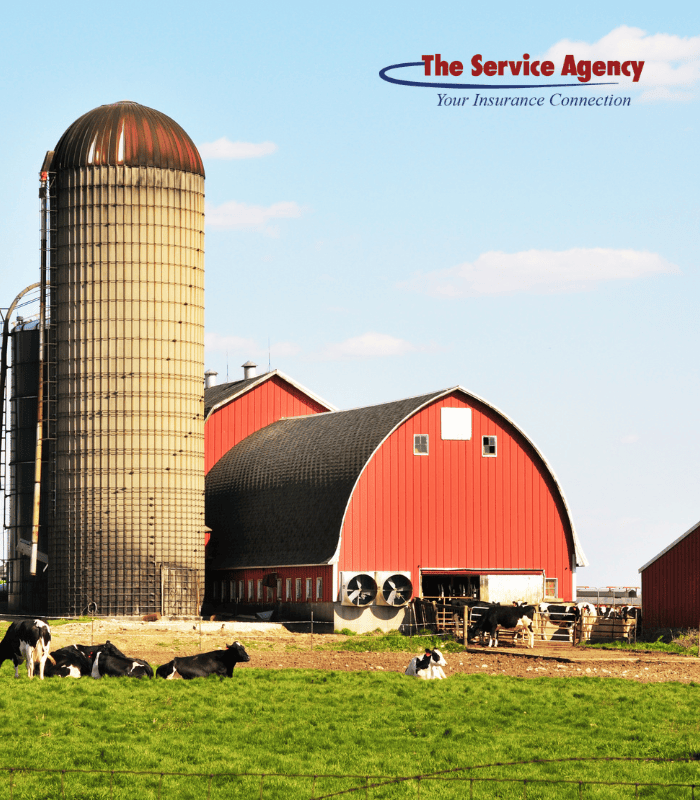
Running a small or mid-size farm operation is no small feat. From managing crops and livestock to maintaining equipment and buildings, the responsibilities are vast and varied. One of the most critical aspects of managing these operations is ensuring you have the right insurance coverage to protect your livelihood. In this guide, we’ll explore the essentials of farm insurance, tailored specifically for small and mid-size operations.
Understanding Farm Insurance
Farm insurance is a specialized type of coverage designed to protect farmers from the unique risks they face. Unlike standard homeowners or commercial insurance policies, farm insurance combines elements of both to address the diverse needs of farm operations.
Key Components of Farm Insurance
-
Property Coverage: This component protects your farm’s physical assets, including buildings, equipment, and livestock. Whether it’s a barn, a tractor, or a herd of cattle, property coverage ensures that you can recover from losses due to events like fire, theft, or natural disasters.
-
Liability Protection: Farms can be bustling places with visitors, workers, and contractors coming and going. Liability protection covers legal and medical expenses if someone is injured on your property or if your operations cause damage to someone else’s property.
-
Crop Insurance: This is crucial for farmers who rely on their harvest for income. Crop insurance protects against loss of crops due to natural disasters such as droughts, floods, or pests, ensuring that you can recover financially even if your yield is compromised.
-
Livestock Insurance: For those who raise animals, livestock insurance is essential. It covers losses from events like disease outbreaks, accidents, or theft, helping you to replace or recover the value of your animals.
-
Equipment Breakdown Coverage: Farming relies heavily on machinery, and a breakdown can halt operations and lead to significant financial loss. This coverage helps with repair or replacement costs, minimizing downtime and keeping your farm running smoothly.
Tailoring Coverage to Your Needs
Every farm is unique, and so are its insurance needs. Here are some tips to ensure your policy is tailored to your specific operation:
-
Assess Your Risks: Conduct a thorough assessment of your farm’s risks. Consider factors like location, the type of crops or livestock you manage, and the scale of your operations.
-
Review Regularly: As your farm grows or changes, so do your insurance needs. Regularly review your policy with your insurance agent to ensure it still aligns with your current situation.
-
Consider Endorsements: Sometimes, standard policies may not cover all your needs. Discuss with your agent about endorsements or additional coverages that can be added to your policy for more comprehensive protection.
-
Budget Wisely: While it might be tempting to cut costs, skimping on insurance can be risky. Balance your budget with the need for adequate coverage to ensure long-term sustainability.
Why Farm Insurance is Essential
Farm insurance is not just a safety net; it’s a crucial component of a successful farm operation. It provides peace of mind, knowing that you’re protected against unforeseen events that could otherwise jeopardize your livelihood. With the right coverage, you can focus on what you do best—running your farm—while knowing that you’re prepared for whatever challenges come your way.
For more information on how to tailor a farm insurance policy to fit your specific needs, reach out to our agency today. Our experienced team is here to help you navigate the complexities of farm insurance and ensure your operation is well-protected.


